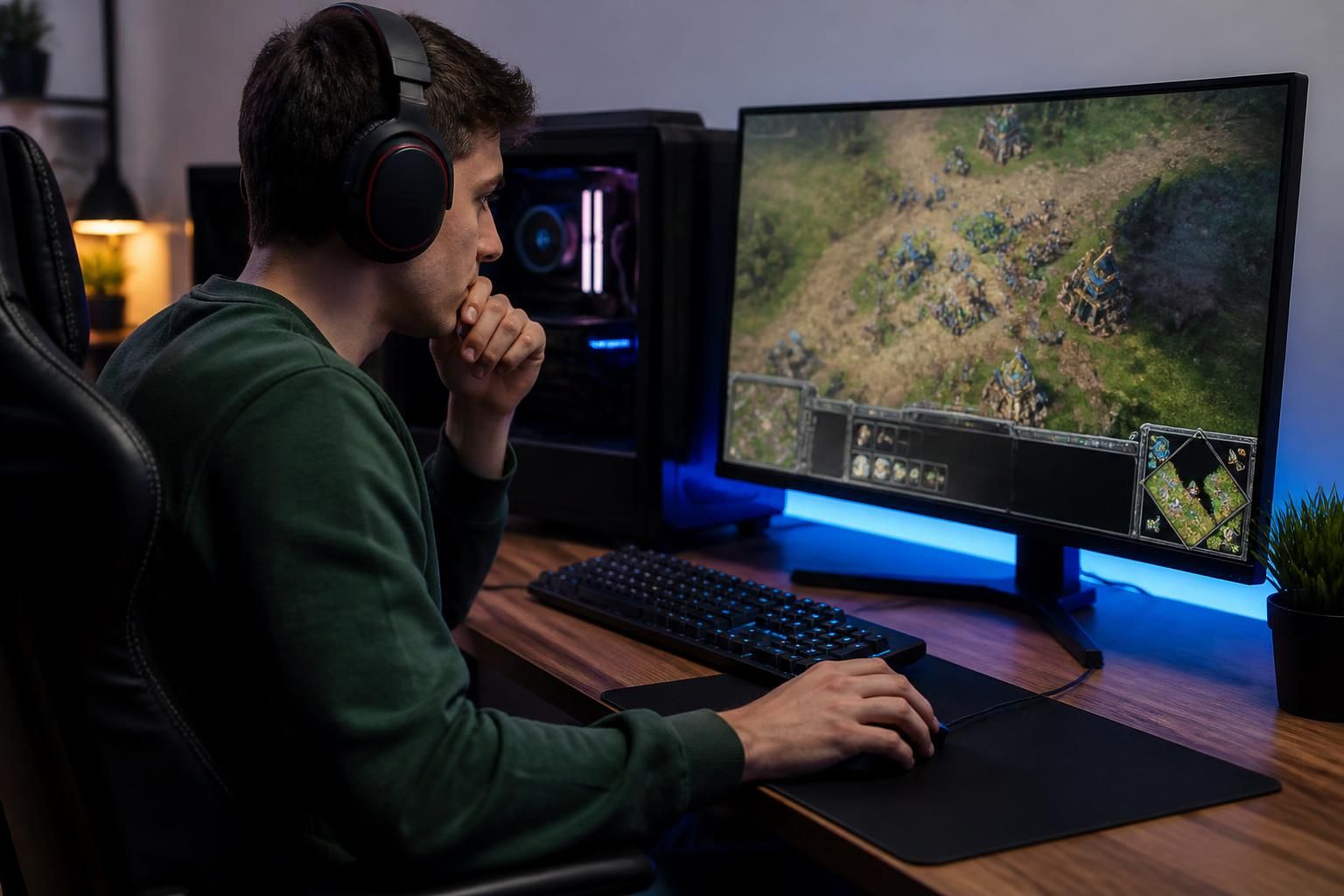
Strategy games and planning skills are intricately connected, offering players unique opportunities to enhance their cognitive abilities while engaging in immersive gaming experiences. As these games often require complex decision-making, resource management, and tactical foresight, they serve as excellent tools for developing critical thinking and planning skills. Understanding how strategy games bolster cognitive development can help players, educators, and parents recognize their value beyond mere entertainment.
How Strategy Games Develop Critical Thinking
At their core, strategy games challenge players to think critically about their decisions. Whether it’s managing resources in a city-building simulation or outsmarting opponents in a real-time strategy game, players must evaluate their actions and anticipate the consequences. This need for foresight cultivates essential skills such as problem-solving and analytical thinking.
For instance, games like สล็อตเว็บตรง require players to strategize their moves, often under time constraints. This fast-paced environment pushes players to think on their feet, considering not only their immediate goals but also long-term implications. As players navigate through challenges, they learn to assess situations, weigh options, and make informed decisions swiftly, all of which are crucial components of critical thinking.
The Role of Planning in Strategy Games
Planning is a fundamental aspect of strategy games. Players are often presented with multiple paths to victory, necessitating a clear strategy and a well-thought-out plan. Effective planners are more likely to succeed, leading to the development of skills that translate well into real-world scenarios.
Games such as “Civilization” and “StarCraft” require players to establish short-term and long-term goals, allocate resources wisely, and adapt to changing situations. Players must prioritize their actions, which enhances their ability to prioritize in everyday life. The more one engages with these planning-oriented games, the more proficient they become at structuring their approach to various tasks, whether in academic settings or personal projects.
Social Skills and Team Strategy Games
Multiplayer strategy games further enhance planning skills by incorporating social dynamics into the mix. In games like “League of Legends” or “Dota 2,” players must communicate effectively, collaborate with teammates, and develop strategies in real-time. This interaction fosters not only cognitive skills but also social competencies, such as teamwork and leadership.
When players engage in cooperative strategy games, they learn to share ideas and negotiate roles based on individual strengths. Learning to adapt one’s planning based on the group’s dynamics is a valuable skill that can be applied in various collaborative environments outside gaming.
Emotional Intelligence and Strategic Decision-Making
Another significant impact of strategy games on cognitive development is their influence on emotional intelligence. Players frequently face high-pressure situations where they must manage their emotions, especially in competitive environments. This aspect of gaming can help players develop resilience and patience, crucial for effective decision-making.
The ability to remain calm under pressure allows players to think clearly and strategically, even when the stakes are high. As they experience wins and losses, players learn to process their feelings, which in turn impacts their decision-making abilities. By reflecting on their experiences, they gain insights into not only their own strategies but also the motivations and tactics of others. This introspection fosters deeper understanding and enhances emotional intelligence.
Potential for Real-World Application of Skills Learned
The skills developed through strategy games extend beyond the virtual realm. Players often find that the planning skills acquired can translate to various aspects of life, including professional environments and personal ventures. For example, project management, strategic planning, and problem-solving are all areas that benefit from the cognitive skills honed during gameplay.
Furthermore, educational institutions are beginning to recognize the value of integrating strategy games into their curricula to foster planning and critical thinking among students. The structured yet flexible nature of these games makes them ideal for developing a mindset conducive to both learning and practical application.
In conclusion, strategy games and planning skills are deeply intertwined, offering players a unique avenue for cognitive development. Through critical thinking, planning, teamwork, and emotional intelligence, players not only enhance their gaming experience but also equip themselves with valuable skills that can be applied in everyday life. As the gaming landscape continues to evolve, the recognition of these benefits will undoubtedly shape the future of educational approaches and personal development strategies.